
Which Australian Shepherd MDR1 test fits before the next vet visit
If MDR1 is your only question, the WSU cheek swab answers it. If you also want the other Aussie markers, get a full breed and health panel. Kai isn’t MDR1 tested, so nothing on this page is his result.
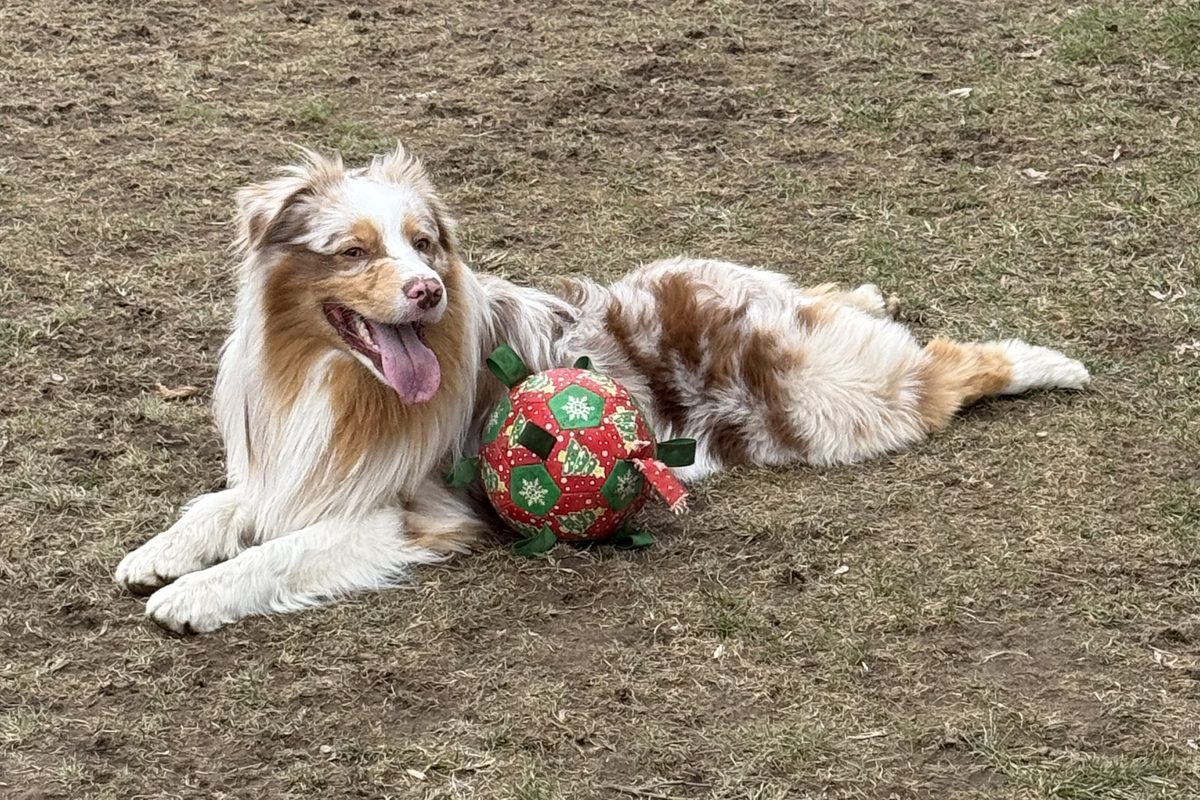
Kai is a red merle from a Virginia breeder, born July 2024. It’s worth knowing the MDR1 basics before a vet visit, not during one.
This guide is for pet owners. It isn’t a breeder catalog. The whole article is Researched. I haven’t swabbed Kai. There are two prevalence numbers out there. This page keeps the two figures separate.
What you won’t find here
No Kai lab report. No ranking of DNA kits. Red merle is a coat color and MDR1 is a gene, and they have nothing to do with each other. A cheek swab also doesn’t replace hip X-rays or an eye exam. The gene is one file in the folder.
MDR1 in plain terms
MDR1 is the old name. The gene is ABCB1. It helps make P-glycoprotein, a pump that keeps certain drugs out of the brain and helps the body clear them. With the mutation, that pump is weaker, so some ordinary medications hit the nervous system harder than they should. The canine mutation was characterized at Washington State University. Possible reactions on their list start with tremors and disorientation. Blindness and severe muscle weakness are on it too. So is death, when the wrong drug at the wrong dose meets the wrong genotype.
Herding breeds carry it. Aussies are on the list. Mixed dogs can have it. Not looking like a collie doesn’t count as a test.
ASHGI, the Australian Shepherd Health & Genetics Institute, says about 50% of Australian Shepherds carry at least one copy. In plain terms, that’s one in two Aussies. WSU’s breed-frequency table also lists Australian Shepherds at 50%. Those are breed-club and discovery-lab figures. The practical takeaway: treat any Aussie as a possible carrier until a DNA test says otherwise, and ask your vet which test fits your dog.
Embark publishes a different number from a different group of dogs. Their Australian Shepherd genetic-health page (last updated January 10, 2024, fetched August 2026) reports on Embark-tested Aussies whose owners opted into research: 69.7% clear, 27.3% heterozygous (one copy), 2.9% homozygous (two copies). That’s well under half. The two can’t be averaged. Embark’s number comes from an opted-in commercial database. ASHGI and WSU are describing the breed. Embark is describing the dogs whose owners mailed a tube and ticked the research box.
Different samples, different years. The number that matters for your dog is on a PDF with your dog’s name on it.
ASHGI’s health and DNA-testing material is now hosted by ASCA: ASCA’s ASHGI health and genetics pages. Embark Aussie page: embarkvet.com genetic health testing for Australian Shepherds. WSU frequency table: WSU’s MDR1 in dogs page.
Three possible results, and one copy still counts
Labs usually report Normal and Normal, Normal and Mutant, or Mutant and Mutant. Clear means zero copies. Then there’s one copy and two copies. ASHGI is blunt about it. A dog with even one copy should be treated as sensitive to the listed drugs. Embark calls the inheritance codominant. WSU treats the genotype as something you bring to a pharmacologist. Nobody treats it as permission to guess.
One copy doesn’t mean basically clear. A one-copy dog can still react to the same problem drugs, often less severely than a two-copy dog. Two copies isn’t a death sentence. It’s a louder warning. And clear is still a result you keep in the file, because the next ER doctor won’t know your dog.
Whatever the result, it goes to your vet the same way. Print it, put it in the chart, and say it out loud. “What’s his MDR1 status?” is a better question than “He’s an Aussie, so maybe skip ivermectin?” Maybe is how a dog ends up with somebody’s Imodium.
| Badge on this page | Researched. No Kai genotype claimed. |
| Dog in the photos | Kai · red merle Aussie · born July 2024 |
| ASHGI and WSU breed figure | About half of Aussies carry at least one copy |
| Embark opted-in snapshot | 27.3% heterozygous · 2.9% homozygous · 69.7% clear |
| Test frequency | Once. DNA does not change. |
What the test gives you
- A genotype you get once and keep in the chart
- A cheaper WSU-only path if MDR1 is your only question
- A full panel if you also want CEA and HSF4 plus DM and the rest
- A line for sitters and the ER: don’t guess on loperamide
What it doesn’t
- A panel can take weeks. It won’t help you same-day in an ER.
- DNA doesn’t replace OFA hips or a CAER eye exam. Don’t skip those.
- Merle color tells you nothing about MDR1.
- Kai hasn’t been swabbed. There’s no result here to copy.
Drugs to flag before they come out of the drawer
WSU keeps a problem-medication list, and it only includes drugs with peer-reviewed publications behind them. These are the ones owners actually run into in a medicine cabinet or at a routine visit. WSU has the rest.
- Ivermectin at high doses. That means the mange-treatment kind of dose. The small preventive dose is another matter. High-dose ivermectin is the classic MDR1 story. Labeled heartworm prevention gets its own section below.
- Loperamide (Imodium). WSU doesn’t soften this one. At diarrhea doses it will cause neurological toxicity in dogs with the mutation, and they say to avoid it in all of them. Ask your vet first instead of keeping it around “just in case.”
- Acepromazine. A sedative you might run into before a procedure. WSU says to contact MDR1Caddie for dosing. So nobody should improvise a “he’s only one copy” dose.
- Some chemotherapy agents. Vincristine and vinblastine are on the WSU list. Doxorubicin and related drugs are too. For those, WSU says to check its chemotherapy notes and contact MDR1Caddie. If that ever becomes your week, the genotype goes in the first paragraph of the oncologist’s notes.
WSU also lists labeled products that manufacturers tested in MDR1 dogs, with no extra risk reported at labeled doses. Heartgard and Interceptor are on that list. So are Revolution and several isoxazoline chews. That still doesn’t mean give whatever you want. A labeled dose and an extra-label high dose are different problems. Your vet still makes the call.
WSU problem medications: MDR1 in dogs and the same table at problem medications for dogs.
Researched: which MDR1 test to buy
There are three real paths. I haven’t used any of them on Kai. The only wrong choice is ending up with no result at all.
| Path | How we vetted it | What you get | Public cost and timing | |
|---|---|---|---|---|
WSU PrIMe MDR1-only Washington State University · cheek swab or blood |
Researched | MDR1 genotype only, plus their pharmacology portal if you test with them | Budget · batches Tuesdays · often about 1 week after they have the sample | WSU order page |
Full breed and health panel Embark-class cheek swab |
Researched | MDR1 plus other Aussie markers such as CEA and HSF4 | Costs more than the MDR1-only test | Breed and health kit |
Vet-ordered clinic swab or EDTA blood sent to a lab |
Researched | Same gene question, with the result going into the medical record first | Clinic fee and lab fee. Blood cannot go USPS to WSU; they want a courier on blood. |
No stars, because no kits were tested for this page. The costs are published figures, checked in August 2026. None of it is his lab bill. WSU is linked as a source.
WSU-only, if MDR1 is the only question
WSU is the lab that discovered the mutation. Their public order page, fetched August 2026, lists the PrIMe MDR1 test with the cheek-swab kit included. They run batches on Tuesdays, and samples in by Monday afternoon can come back that Wednesday. Their how-to-order page also says 2 to 7 business days after they have the sample. Those are their numbers. I never mailed a kit, so I haven’t timed it. Testing with them also gets you into MDR1Caddie, their pharmacology portal. Their pricing page is blunt about cheaper “screening” tests that say results aren’t for medical diagnosis. You won’t get ancestry or the other health markers, and there’s no app. It’s MDR1 only, which is fine if that’s your question.
Full panel, if you want the other Aussie markers too
Embark’s Aussie page lists MDR1 as the most common genetic health risk in their opted-in sample. DM comes after it. So do HSF4 cataracts and CEA. A panel covers those in one envelope. Consumer panels are often quoted at three to five weeks. I haven’t timed one. If you want CEA and HSF4 too, the panel is worth the extra money. If you only want the drug gene before Thursday’s appointment, WSU is cheaper. A WSU kit that gets mailed beats a panel sitting in a drawer.
Vet-ordered, if you want it straight in the chart
Your clinic can swab or draw blood and send it off. WSU accepts EDTA purple-top blood from hospitals. Blood can’t go by USPS, so they want a courier to Pullman. The result usually goes straight into the record. You pay for clinic time. That’s worth it if you know you’d lose the envelope. All three paths are a real MDR1 test. Skipping the test is the only real mistake.
How to swab if you do it yourself (WSU’s steps, not mine)
I haven’t done this on Kai. Here are WSU’s published owner steps, shortened:
- Swab in the morning before breakfast, or wait at least 30 minutes after food. They want cheek cells and no kibble crumbs.
- Read the card before you open the brushes.
- Two brushes. One side of the mouth for twenty seconds, with whatever pressure the dog will put up with. Then the other brush on the other side. Keep the mouth gently closed so the brush stays on the cheek.
- Don’t touch the bristles. Let them air-dry 30 minutes, then sleeve them. Label the backing with the pet’s name and your name. Add the breed too, and match the form exactly. Unclear labels don’t get tested.
- Mail it within a few days of swabbing, with the form. USPS can take the swab pouch to their PO Box. Put a return address on the outside.
If you bought a consumer panel, follow that kit’s steps instead. Same basics: cheek cells, no drool, no food, mail it promptly. Kai has not been swabbed for MDR1.
When the PDF shows up
Put the result where people will see it. Vet file first, then the sitter notes. Keep a copy on your phone too: MDR1 status, lab, date. Still waiting on one? Write “Untested herding breed. Flag loperamide and high-dose ivermectin. Ask before acepromazine.” Untested is a real status. Assuming he’s clear because he seems fine isn’t. Merle isn’t the mutation either. Kai is red merle, and that says nothing about his MDR1 status. Don’t let coat color talk you out of a swab or out of checking hips.
If the result comes back one copy or two, the preventatives post is the next thing to read. It’s still vet-first, and I haven’t tested any chew: MDR1 preventatives for Australian Shepherds. For fleas and ticks, my flea and tick guide for Aussies covers the MDR1 question before you buy anything. If you’re thinking about insurance before a hereditary condition lands on the record, read up on pet insurance for an Aussie first. How coverage works matters more than any ranked list.
What the MDR1 test doesn’t cover
The MDR1 test isn’t the whole health check. A panel still takes weeks you don’t have in an ER. It doesn’t grade hips. It doesn’t replace a CAER exam. OFA and a boarded ophthalmologist are still on the list. The wrong drug can kill an MDR1 dog in an afternoon, which is why the test matters. The rest of the health folder is on the health hub. Kai hasn’t been swabbed, so this page makes no claim that he is clear.
The vet-visit checklist is in the kit
Page 3 of the Aussie Owner’s Kit lists the MDR1 questions to ask your vet. Is his status in the chart? Which drugs are on the problem list? And heartworm prevention stays the vet’s call. Free.
Get the free Owner’s Kit →Researched August 2026. Sources linked in-line. I am not your vet.
Aussie Owner’s Kit notes. The starter checklist, minus the fluff.