
Aussie puppies want to be glued to their people. That is the breed. Separation trouble shows up early if every exit is a drama and every return is a party. Treat alone time as a skill a puppy can learn.
What it looked like
Whining at the sound of keys. Pacing. Fussing in the crate when you leave the room too fast. Chewing the wrong things after a rushed exit. Not every noisy puppy has real separation anxiety. Sometimes it’s too little exercise and no plan. Train absences on purpose either way.
Where to start
Boring exits. No long goodbye speeches. Pick up keys and put on shoes without leaving, over and over, until they stop meaning you’re gone.
Tiny absences. Step out of sight for seconds, come back before panic peaks, and reward calm. Never the loudest cry. Build duration slowly. Jumping from zero to an hour sets a puppy back.
Crate as a known place. First nights had the Snuggle Puppy in there. I sent it to his breeder first so it smelled like his mom, and he still loves it today. The crate itself is on the crate guide. The crate isn’t for punishment. It’s where calm gets paid.
Job before exit. A walk, a short training set, or a stuffed KONG made departures easier than leaving a cold, underworked Aussie brain alone.
What did not help
Coming back only when he screamed. That paid the scream. Getting angry at the door. Marathon “comfort” sessions that taught cling as the strategy. Skipping exercise and blaming “anxiety” for a bored working dog.
Gates and management
Walk-thru gates help with room limits. Ours are Regalo extra-tall gates. Notes are on the puppy gates guide.
When to get help
Real separation anxiety can need a vet or a qualified trainer. This is what helped one young Aussie learn alone time. I can’t diagnose your dog from a blog post. If destruction or self-injury is severe, get hands-on help.
The gear we started with is in the Owner’s Kit. Crate details are in the crate train guide.
Sample week shape
Morning: potty, short walk or play, breakfast, brief crate nap. Midday: another potty and a two-minute absence drill, like taking the trash out. Evening: training bites for sits and downs, then a longer settle with a food toy. Logging exits for a few days keeps you from jumping from thirty seconds to forty minutes by accident.
After a hard crate session, make the next one easier: shorter, closer, better treats. Making it longer to prove a point backfires. Aussies remember the bad reps.
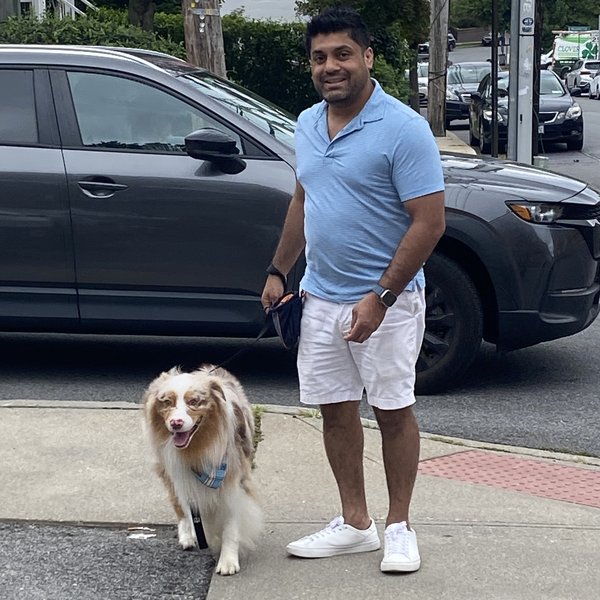
I’m Leny, and Kai is my Australian Shepherd, the reason there’s dog hair on every floor of my house. This site is the gear and food Kai actually uses, with what worked for us and what didn’t, so you can spend less and get it right the first time.